
My MACI Plan Skip to content
#

Welcome!
You’re a candidate for the MACI implant!


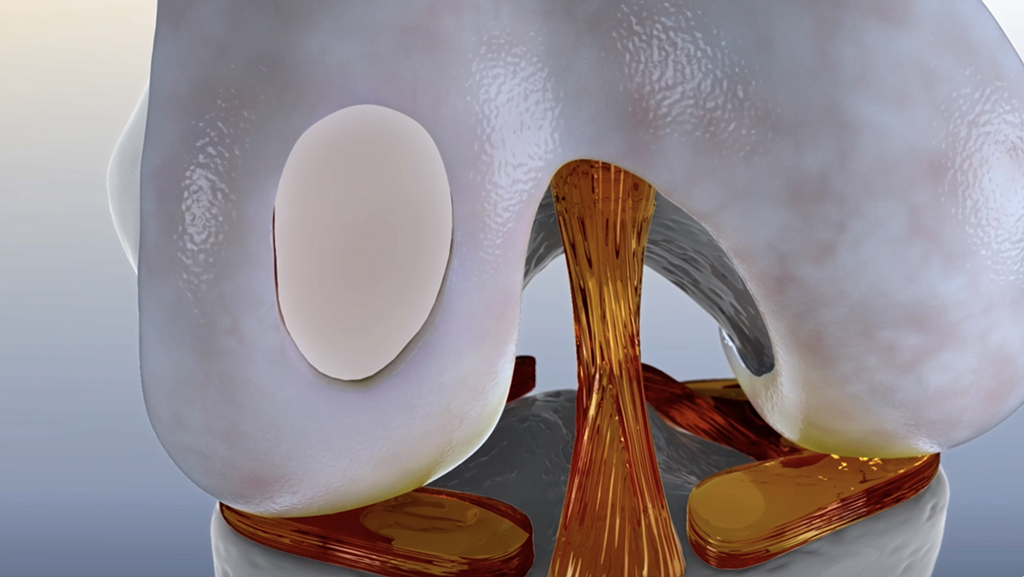
MACI uses your own cells to create durable tissue to repair your damaged knee cartilage, which can promote healing, reduce pain, improve function, and provide lasting results.1*

The information on this page may help you make a plan with your doctor—to help you get back to the active lifestyle you love. Once you’ve explored the content, schedule time to talk to your doctor about taking the next step.


Your cells are on an amazing journey

Find out where they are and where they’re going and the MACI options for getting them there!

#
#
#
Cell sample taken
#
Cell processing & storage
#
You are here!
Talk to your doctor about MACI
#
Cell expansion
#
Special delivery
(your MACI implant)
#
MACI implant procedure
#
Cell regeneration & rehabilitation
#

Next

#

Back

#
Cell sample taken
#
Cell processing & storage
#
You are here!
Talk to your doctor about MACI
#
Cell expansion
#
Special delivery
(your MACI implant)
#
MACI implant procedure
#
Cell regeneration & rehabilitation

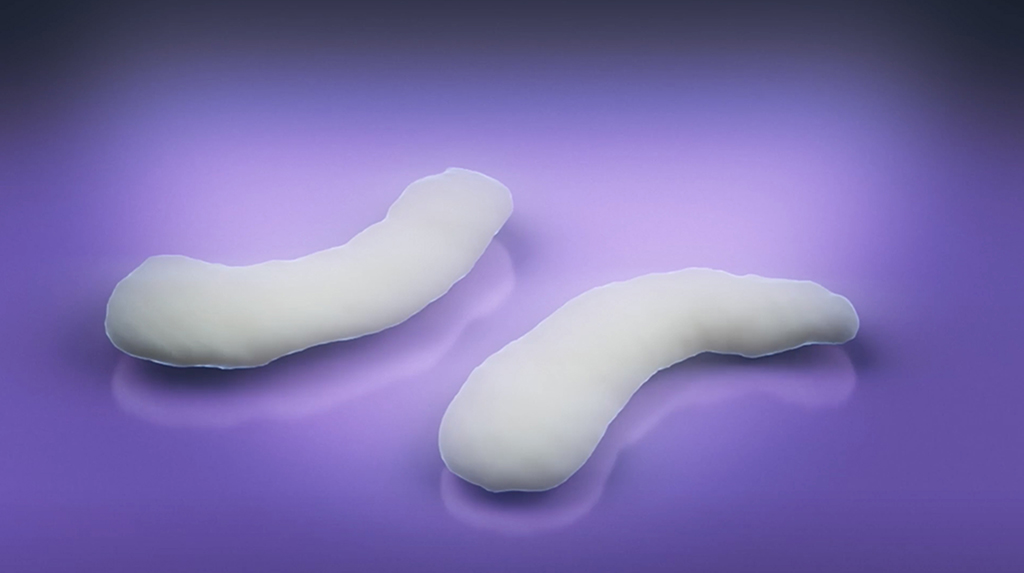
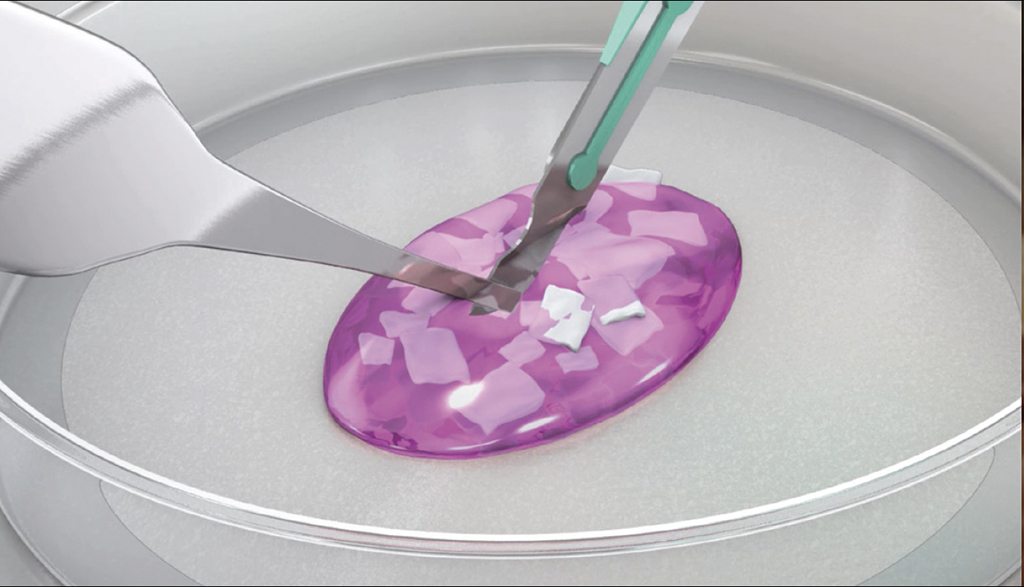
During your diagnostic arthroscopy, your doctor took a sample of your healthy cartilage cells, approximately the size of two Tic Tacs®.

Your cells were shipped to Vericel’s state-of-the-art, FDA-licensed facility where they will be stored cryogenically (frozen) until you schedule the MACI implant procedure.

Cartilage damage doesn’t heal on its own, so don’t wait to make a plan with your doctor!2 Depending on the defect's size and location, your cells can be delivered through minimally invasive arthroscopy or mini arthrotomy. Schedule a follow-up appointment to begin your own MACI journey.

Individual rehab results may vary. Always talk with your health care provider and ask any questions before starting any new activities.

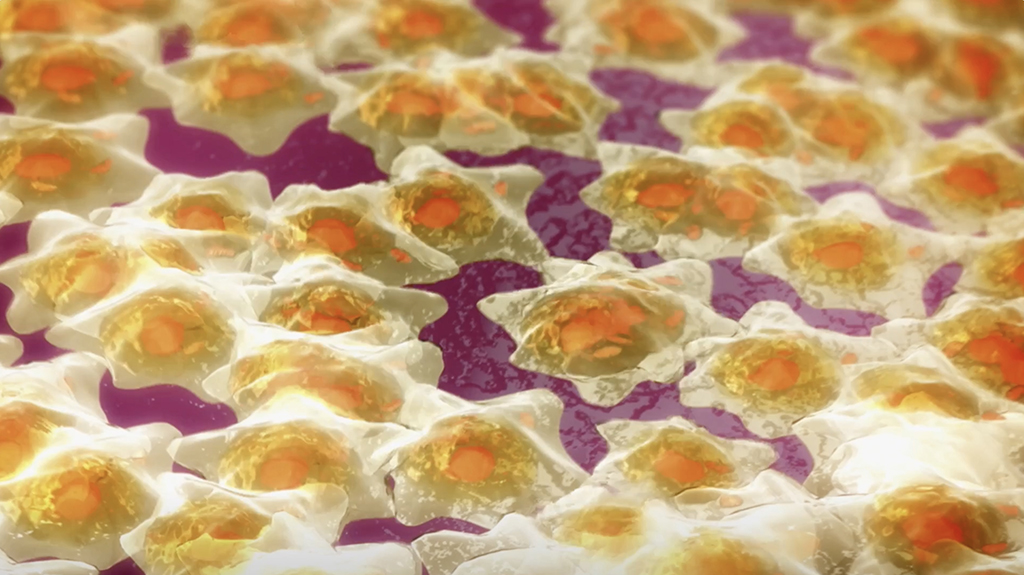
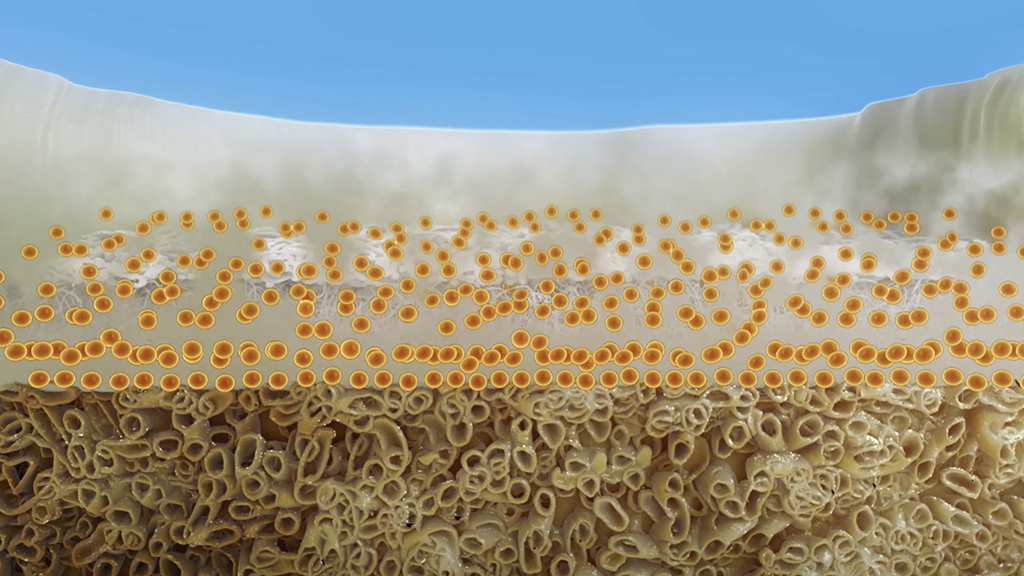
Once you and your doctor have made the decision to move forward with MACI, your cells are expanded and uniformly seeded on a resorbable collagen membrane.

On the day of your procedure, your MACI implant is delivered directly to your operating room.

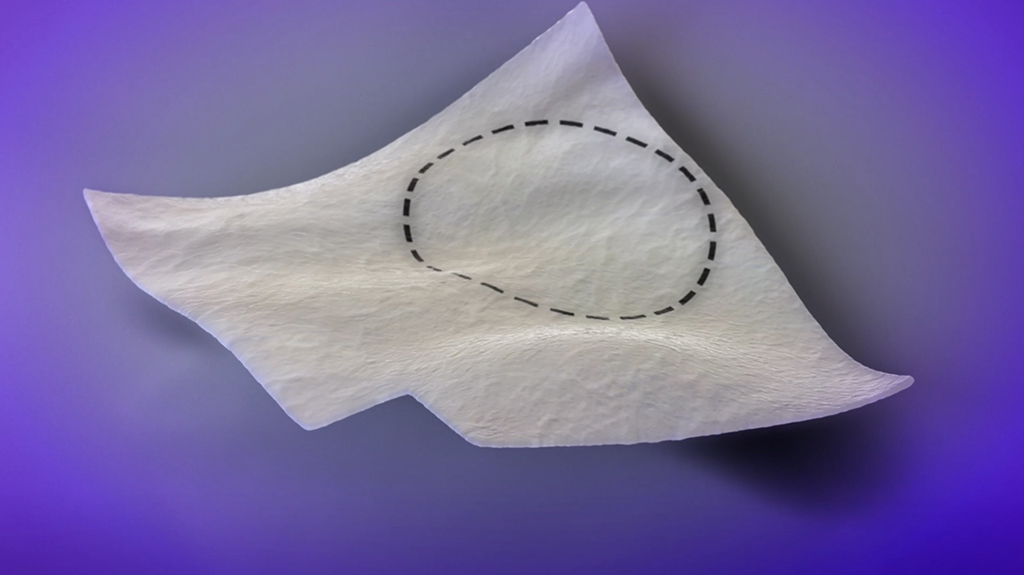
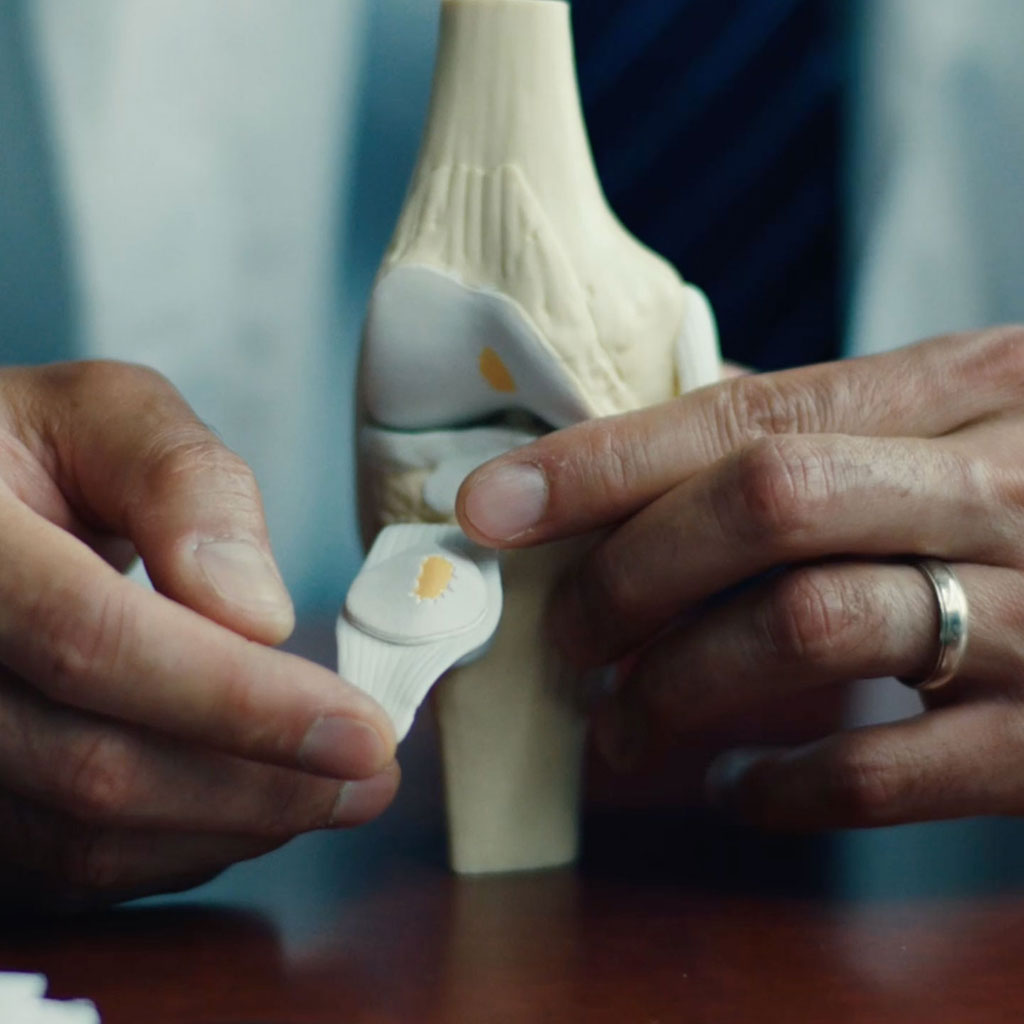
On the day of your procedure, your doctor will shape the MACI implant to the size of your cartilage defect(s) and then place it into your knee, affixing it to the damaged area.

After the MACI implantation procedure, you will begin a rehabilitation program specifically designed for you. Your cells will continue to regenerate, filling your defect and helping your body build durable repair tissue.1

#

Want to see the science of putting your cells into action?

How MACI works

Want to see the science of putting your cells into action?

Watch how MACI works

Watch how MACI works

The choice you’re really making is between changing your lifestyle to accommodate your injury or repairing your injury to accommodate your lifestyle.

The patient and doctor depicted in this video are actors. This video is not intended to provide medical advice. MACI is used for the repair of symptomatic cartilage damage of the adult knee. Individual results may vary. Talk to your doctor with any questions and to see if MACI is right for you. See full Important Safety Information at the end of this video.

The patient and doctor depicted in this video are actors. This video is not intended to provide medical advice. MACI is used for the repair of symptomatic cartilage damage of the adult knee. Individual results may vary. Talk to your doctor with any questions and to see if MACI is right for you. See full Important Safety Information at the end of this video.

Watch Jo’s journey with MACI 

Make a MACI plan with your doctor

The sooner you and your doctor decide to move forward with a treatment option for your knee cartilage damage, such as MACI, the sooner your cells can start building durable repair tissue. Let’s talk about next steps.

#

Don’t wait to make a plan! Get ready for a discussion with your doctor by downloading the knee pain self-assessment and MACI FAQs
#

Wondering what happens if you don’t do anything? Cartilage injuries are chronic and often get worse as time goes on. Talk to your doctor about how MACI has been shown to help reduce pain, improve function, and provide lasting results using your own cells.1*
Get the facts about cartilage damage

Individual results may vary.

Actor portrayal

Ready to talk through your questions with a real person?

Fill out this form to be contacted by MyCartilageCare or a MACI Mentor.

Please select who you would like to contact you:

MyCartilageCare Patient Coordinators are committed to offering comprehensive support tailored to your individual insurance requirements and treatment goals.

Please select an answer.

Your MACI Mentor is a real patient who has been through the MACI implant procedure. A MACI Mentor can help provide insight and inspiration based on their personal experience with MACI.

Please enter a valid first name.
Please enter a valid last name.
Please enter a valid email.
Please enter a valid phone number.

Preferred method of contact

Please select an answer.

Is there a preferred time to call?

Please select an answer.

Submission of this form constitutes your agreement to the following: information collected from you is used to provide information and updates regarding Vericel products and services by email, mail, fax, telephone including pre-recorded or autodialed calls, or text (message and data rates may apply). For additional information regarding how your information may be used, and how to contact Vericel with questions or to exercise your rights, see Vericel’s Privacy Policy. For further information, please see Vericel’s Terms and Conditions of Use and Community Guidelines. You confirm you are 18 years old or older. You understand you may opt out of receiving information within future communications.

This site is protected by reCAPTCHA and the Google Privacy Policy and Terms of Service apply.

Actor portrayal

Questions about MACI before planning with your doctor?

We are right here beside you every step of the way.

It's Your Move

Talk with a MACI patient. Connect one-on-one with a MACI Mentor, a real patient who chose MACI to get back to an active life. Call 1-888-237-5493 or fill out the form.

MyCartilageCare logo

MyCartilageCare provides comprehensive support tailored to your insurance requirements and treatment goals. Call 877-872-4643 (Mon–Fri, 9 AM–7 PM EST), or fill out the form.  

See if you qualify for copay assistance! For eligible adult patients undergoing MACI surgery to repair knee cartilage damage.

#

Rehabilitation is going to be your next starting line. Your doctor and physical therapist will design a program just for you. Download the free My MACI App to set and track your rehab milestones. Schedule a follow-up with your doctor, then learn more about rehab after MACI.

*In the SUMMIT clinical trial, MACI was shown to offer greater pain relief and improvement in function when compared to microfracture.

†Improvements in pain and function were maintained with MACI at year 5.


Click here for Terms and Conditions and Eligibility Requirements. Restrictions apply. Call  877-872-4643 to speak with a Patient Coordinator who can guide you through the application process. The MCC Assist CoPay Program is for eligible patients 18 years or older with commercial/private insurance. The program is not valid for patients enrolled in or covered under any government healthcare insurance programs. The program provides assistance with the out-of-pocket costs for the MACI implant only.


References: 1. Saris D, Price A, Widuchowski W, et al. Matrix-applied characterized autologous cultured chondrocytes versus microfracture: Two-year follow-up of a prospective randomized trial. Am J Sports Med. 2014;42(6):1384-94. 2. Pettit RJ, Everhart JS, DiBartola AC, Blackwell RE, Flanigan DC. Time Matters: Knee Cartilage Defect Expansion and High-Grade Lesion Formation while Awaiting Autologous Chondrocyte Implantation. Cartilage. 2021 Dec;13(2_suppl):1802S-1808S.

PP.US.MAC.2146 v2.0

Indication and Important Safety Information

Important Safety Information

MACI should not be used if you:

  • are allergic to antibiotics such as gentamicin, or materials that come from cow, pig, or ox;
  • have severe osteoarthritis of the knee, other severe inflammatory conditions, infections or inflammation in the bone joint and other surrounding tissue, or blood clotting conditions;
  • have had knee surgery in the past 6 months, not including surgery for obtaining a cartilage biopsy or a surgical procedure to prepare your knee for a MACI implant;
  • or cannot follow a doctor-prescribed rehabilitation program after your surgery

Consult your doctor if you have cancer in the area of the cartilage biopsy or implant as the safety of MACI is not known in those cases.

Conditions that existed before your surgery, including meniscus tears, joint or ligament instability, or alignment problems should be evaluated and treated before or at the same time as the MACI implant.

MACI is not recommended if you are pregnant.

MACI has not been studied in patients younger than 18 or over 55 years of age.

Common side effects include joint pain, tendonitis, back pain, joint swelling, and joint effusion.

More serious side effects include joint pain, cartilage or meniscus injury, treatment failure, and osteoarthritis.

Please see Full Prescribing Information for more information.

Indication

MACI® is made up of your own (autologous) cells that are expanded and placed onto a film that is implanted into the area of the cartilage damage and absorbed back into your own tissue.

MACI® (autologous cultured chondrocytes on porcine collagen membrane) is made up of your own (autologous) cells that are expanded and placed onto a film that is implanted into the area of the cartilage damage and absorbed back into your own tissue.

MACI is used for the repair of symptomatic cartilage damage of the adult knee.

The amount of MACI applied depends on the size of the cartilage damage. The MACI film is trimmed by your surgeon to match the size and shape of the damage, to ensure the damaged area is completely covered.

Limitations of Use

It is not known whether MACI is effective in joints other than the knee.

It is not known whether MACI is safe or effective in patients over the age of 55 years.